The Federal Government has announced the minimum for admission into JSS1 after six years of primary schooling
New policy documents reveal private and non-state schools are rapidly outgrowing state schools, especially at the junior secondary level
Beyond age requirements, the policy reflects growing attention to the role of private and non-state schools across the country.…CONTINUE READING
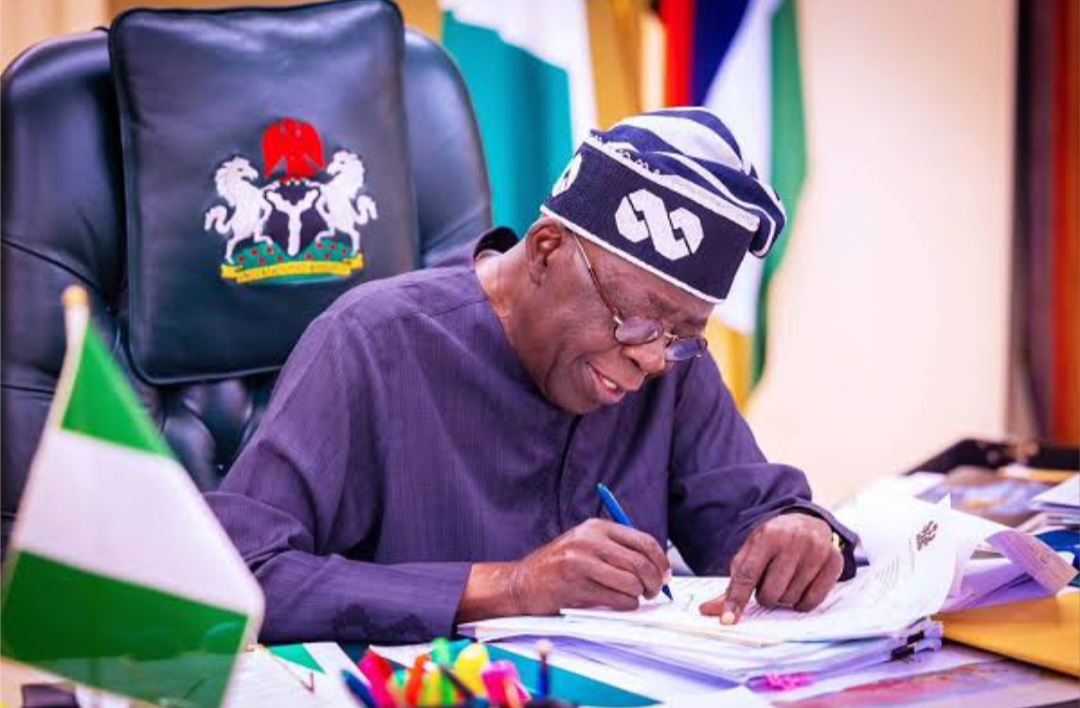

Students are now generally expected to finish secondary education around age 18, aligning with earlier university admission guidelines
The Federal Government has introduced a new policy setting 12 years as the minimum age for students to enter Junior Secondary School 1 (JSS1).
The decision, unveiled in a fresh policy document on Non-State Schools by the Federal Ministry of Education, aims to standardise age-based progression through Nigeria’s basic education system.
According to the guidelines, children are expected to complete six years of primary schooling before advancing to JSS1 at around age 12.
This follows three years in nursery, beginning at age three, and an additional compulsory pre-primary year at age five, as detailed in the National Policy on Education (2013 Edition).
The document explains: “Basic education shall be of nine years’ duration. There shall be a six-year primary and a three-year Junior Secondary School (JSS). Children shall be admitted into Primary One when they attain the age of six years. Every child must complete six years of primary education. They shall be admitted into Junior Secondary School (JSS1) when they have completed six (6) years of primary education, at around the age of twelve (12) years.”
By structuring early education this way, students are generally expected to complete secondary school by age 18, which aligns with the previously recommended minimum age for university admission. While former Education Minister Prof. Tahir Mamman had suggested 18 years as the lower age limit for university entry, current Education Minister Dr. Tunji Alausa has since reviewed it back to 16 years.
Beyond age requirements, the policy reflects growing attention to the role of private and non-state schools across the country.
These include institutions run by private individuals, faith-based groups, and community organisations, which are largely funded through fees and donations rather than government resources.
Recent data from the Nigeria Education Digest 2022 shows a sharp increase in the number of non-state schools, particularly at the junior secondary level. Between 2017 and 2022, non-state junior secondary schools expanded by 35.06 per cent, compared to a growth of just 6.8 per cent among state schools.
At the primary level, non-state schools increased by 31.56 per cent over the same period, while state schools recorded a modest 3.3 per cent growth.
The data further reveals that non-state schools now outnumber government-run schools at the junior secondary level in at least 26 states, though state schools remain more prevalent in 19 states at the primary level.
Source: Legit