
● The Inheritance of Power: When Powerful Fathers Dream Through Their Children
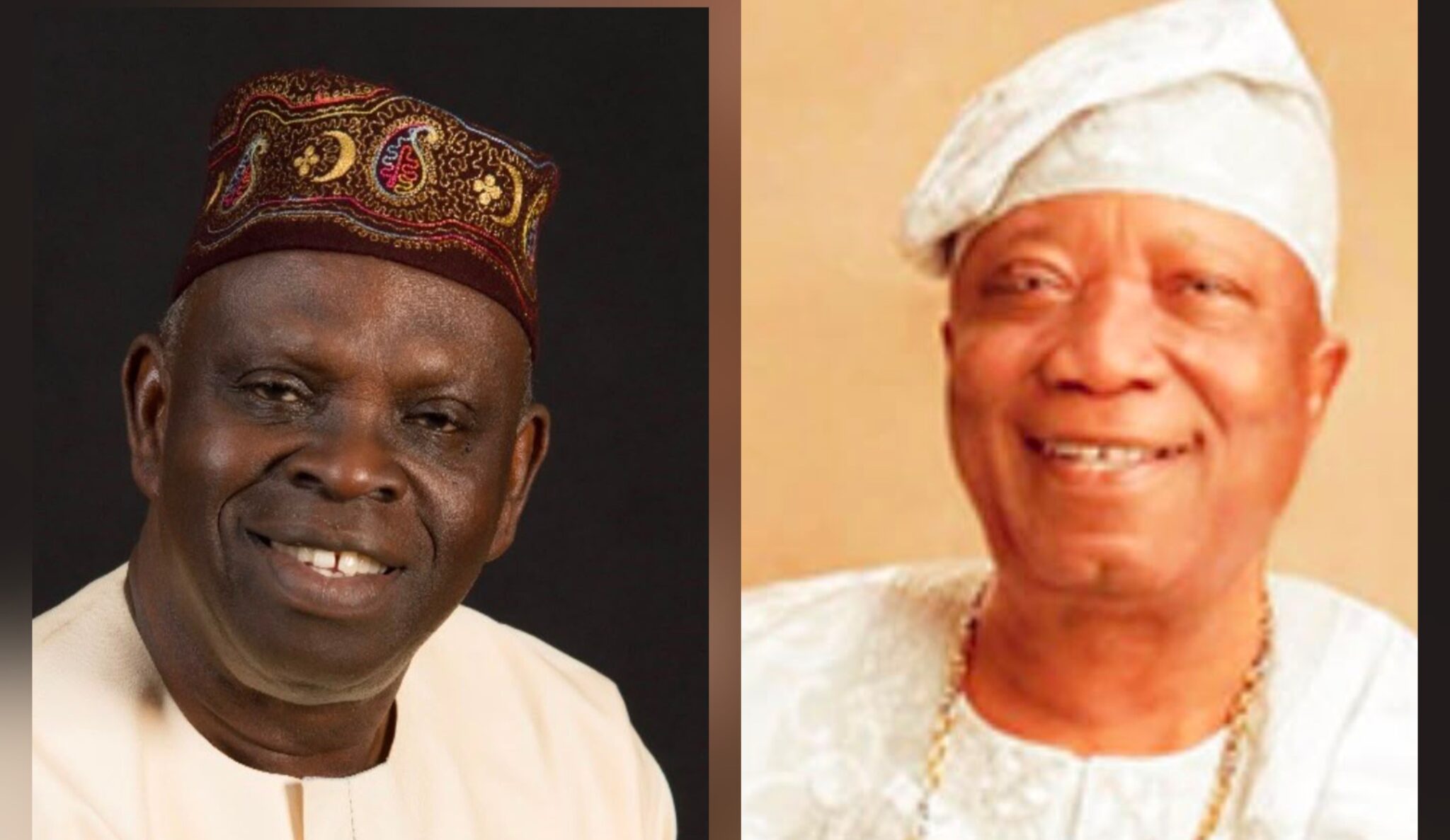
Power moves through Ogun State like an old river. It is patient, swift and rippling with unfathomable depth. Along its banks stand two patriarchs and boardroom titans: Chief Kessington Adebutu and Chief Adebola Adegunwa, whose ambitions, nursed over decades, now find fresh vessels in their children, drawn into a contest that gathers heat with each passing day.
While the Ogun power equation has overtime been defined by personal accomplishments, political connections, and lineage, the forthcoming 2027 governorship election thrums with a different energy. Beneath the banners, party slogans and orchestrated rallies, a deeper contest gathers momentum, one that bears the imprint of two formidable patriarchs.
Chief Adebutu and Chief Adegunwa stand at opposite ends of this unfolding drama: two titans of commerce whose wealth has long extended into philanthropy, politics and the very seams of public life. Their children now occupy the centre of Ogun’s political theatre. Hon. Oladipupo Adebutu, returning once more as the Peoples Democratic Party’s standard-bearer, bears the weight of expectation and the inheritance of a father’s enduring aspiration.
Across the divide, Kudirat Adegunwa-Balogun, daughter of Adegunwa and now deputy governorship candidate of the All Progressives Congress (APC), enters the arena as running mate to Senator Solomon Olamilekan Adeola, widely known as Yayi.
This contest unfolds with the character of a dynastic duel, a convergence of wealth, will and generational ambition. Ogun State, with its intricate political map and deeply rooted cultural sensibilities, finds itself poised between two powerful visions shaped by private dreams and public stakes.
A father like Adebutu
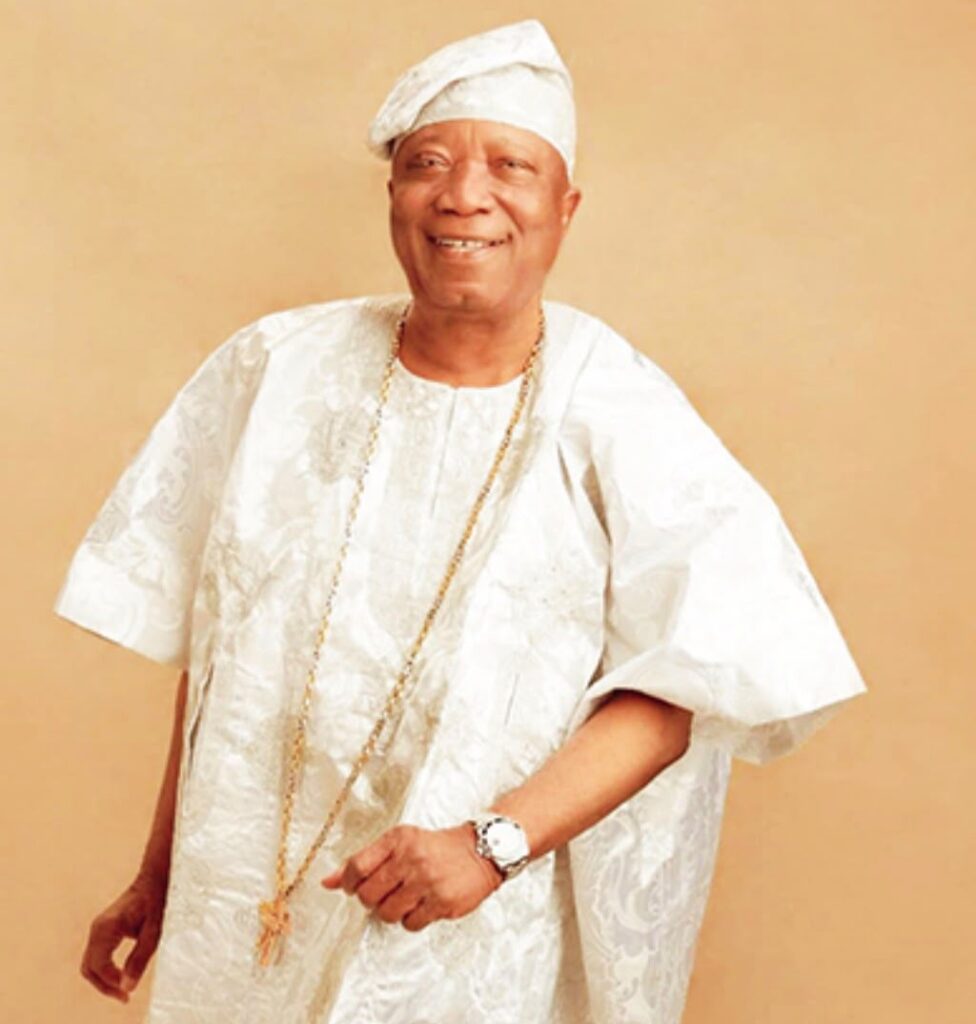
Indeed, few ambitions in Nigerian politics have endured with the persistence of Chief Kesington Adebutu’s desire to see his son ascend the governorship of Ogun State. That dream stretches across years of political engagement, strategic alignments and investment in the idea of Oladipupo Adebutu as governor.
Within the PDP, Adebutu’s emergence as consensus candidate speaks to more than internal party unity. It signals the culmination of a carefully nurtured project, one that has drawn strength from financial muscle, grassroots networks and a reputation for resilience. Delegates across the 236 wards of the state rallied behind his candidacy with a sense of inevitability, as though the moment had been long foretold.
Former Ekiti State governor Ayo Fayose captured the intensity of this expectation with blunt clarity. His declaration that Adebutu’s political destiny now rests solely in the governorship crystallised a narrative already circulating within political circles. Every previous outing, every campaign, every near-miss appears to have sharpened the singularity of that pursuit.
Adebutu himself speaks with a tone that blends conviction and spiritual assurance. His belief that votes will count this time carries echoes of past disappointments, yet it also reveals a candidate shaped by persistence rather than fatigue. His rhetoric draws strength from the promise of redemption for himself, his party and for Ogun state.
Behind him stands a father whose influence has never been flamboyant yet remains unmistakable. Chief Adebutu’s presence looms as both benefactor and strategist, a figure whose resources and reach provide a formidable backbone to the campaign. His dream has matured into a political force, one that seeks validation through electoral victory.
The Adegunwa factor
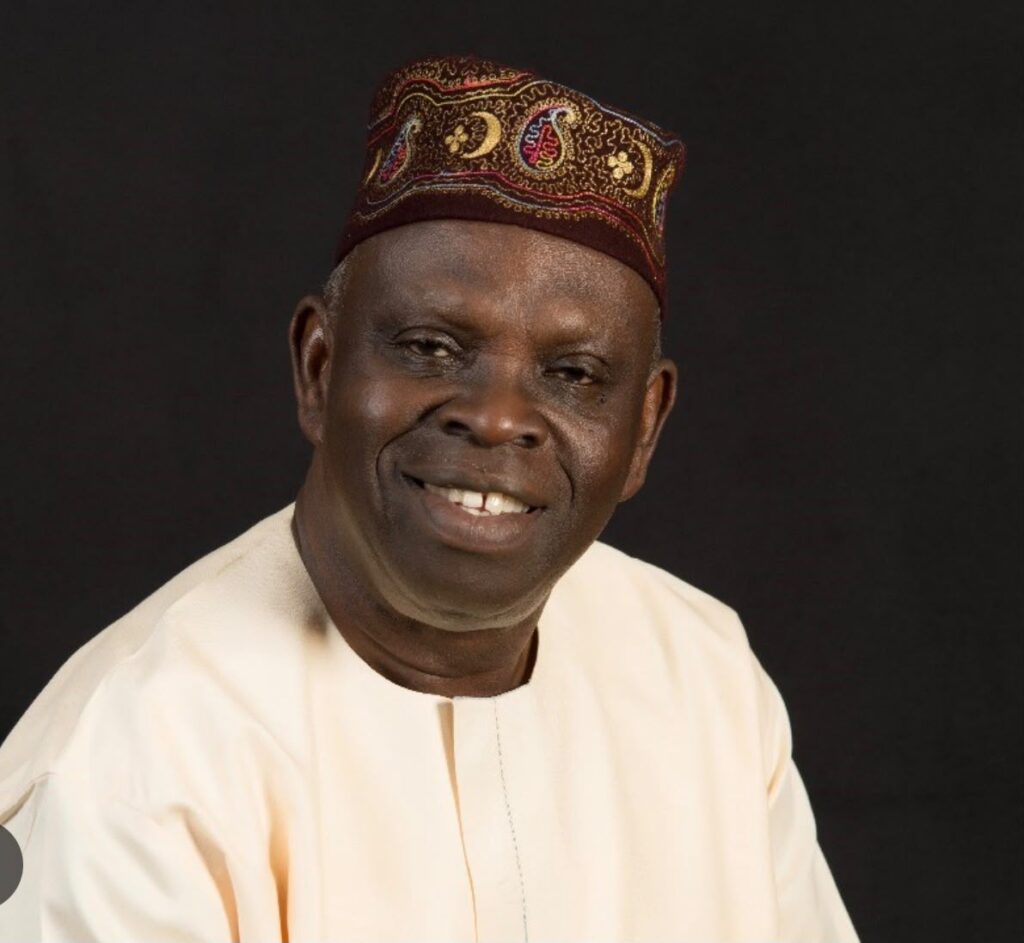
Across the political divide, Chief Adebola Adegunwa’s aspiration takes a different form. It is less public in its articulation, yet no less potent in its intent. His daughter’s emergence as APC deputy governorship candidate marks a significant moment in the state’s political evolution, blending corporate pedigree with political positioning.
Kudirat Adegunwa-Balogun flaunts a profile brimming with professional accomplishment. A chartered accountant, a fellow of respected financial institutions and a senior executive at Rite Foods Limited, she embodies a technocratic competence that aligns neatly with the APC’s strategic calculus. Her academic exposure to institutions such as Harvard Business School and The Wharton School adds an international sheen to her credentials.
Her selection followed a zoning arrangement that placed the deputy governorship slot within Ogun East, narrowing the field to the Ijebu axis. The decision reflects both political balancing and a recognition of regional influence. Within that framework, Adegunwa-Balogun’s candidacy carries the subtle weight of her father’s standing, a convergence of economic power and political relevance.
Governor Dapo Abiodun’s announcement of her nomination signalled more than routine party procedure. It revealed a deliberate alignment of interests, a calculated effort to consolidate support across regions and elite networks. Senator Adeola’s confidence in her capacity underscores a partnership designed to appeal to both grassroots voters and the business community.
Chief Adegunwa’s dream finds expression through this candidacy, shaped by a belief in continuity, influence and legacy. His daughter’s presence on the ticket transforms the election into a contest that transcends party lines, introducing a dimension of familial aspiration that resonates deeply within Ogun’s sociopolitical fabric.
Ijebu as the axis of power
The convergence of these two ambitions within the Ijebu axis lends the forthcoming election a distinctive character. Ogun State’s political geography has always required delicate balancing among its senatorial districts: Ogun West, Ogun Central and Ogun East. Yet this cycle places Ijebu at the heart of the contest, transforming it into both battleground and symbol.
The Ijebu identity reflects a history of commerce, discipline and strategic influence. Its elites have long navigated the intersection of business and politics with a finesse that commands respect across the state. The emergence of two powerful families from this axis, each advancing its own political heir, creates a narrative rich in symbolism.
Voters across Ogun State will encounter a contest framed by shared origin yet divergent pathways. Adebutu’s candidacy channels a populist appeal rooted in opposition politics and promises of renewal. Adegunwa-Balogun’s role within the APC ticket reflects continuity, stability and the assurance of experienced governance structures.
This duality sharpens the stakes. Ijebu becomes both mirror and measure, reflecting the broader tensions within Ogun politics while serving as the pivot upon which the election may turn.
Money as momentum
Wealth has always played a role in Nigerian politics, yet the scale and symmetry of financial influence in this contest introduces a rare equilibrium. Both camps command substantial resources, capable of shaping campaign narratives, mobilising supporters and sustaining prolonged political engagement.
Chief Adebutu’s financial strength has long supported his son’s political journey. Campaign structures, outreach programmes and strategic alliances have drawn from a reservoir of resources that ensures visibility and endurance. His investments extend beyond election cycles, embedding loyalty within communities and reinforcing political relevance.
Chief Adegunwa’s influence operates within a similar register, though often expressed through institutional strength and corporate networks. His daughter’s candidacy benefits from a foundation of credibility that merges business acumen with political endorsement. The APC’s established machinery further amplifies this advantage, providing organisational depth and statewide reach.
Money, in this context, functions as both catalyst and amplifier. It shapes perception, fuels mobilisation and sustains narratives that resonate with voters. Yet it also raises questions about the nature of political competition—questions that hover over the election like an unspoken refrain.
At its core, the forthcoming election represents a convergence of personal dreams projected onto a public stage. Chief Adebutu’s aspiration has evolved into a near-mythic pursuit, a testament to endurance and belief. Chief Adegunwa’s vision unfolds with measured precision, grounded in strategy and institutional alignment.
Their children stand as vessels of these ambitions, navigating a political landscape that demands both individuality and inheritance. Oladipupo Adebutu’s campaign draws energy from his repeated engagements with the electorate, each outing refining his message and deepening his connection with supporters. Kudirat Adegunwa-Balogun enters the field with a freshness that blends professional expertise with the symbolic power of her lineage.
This intersection of dreams introduces a narrative tension that transcends party politics. It transforms the election into a story of legacy, ambition and the enduring influence of parental vision.
Amid these powerful currents, Ogun’s electorate retains its decisive role. Voters will weigh competing narratives, assessing not only the promises of candidates but the implications of the forces behind them. The presence of two influential families may inspire confidence in capacity and resources, yet it may also provoke reflection on the nature of democratic choice.
Grassroots sentiment, regional considerations and perceptions of governance will shape the outcome. Adebutu’s critique of the APC administration taps into existing frustrations, presenting an alternative framed around competence and renewal. The APC’s campaign, anchored by Yayi and strengthened by Adegunwa-Balogun’s candidacy, will emphasise continuity and developmental strides.
This interplay of narratives ensures that the election remains dynamic, resistant to simple prediction. Ogun’s political history reveals a capacity for surprise, a willingness among voters to assert independence even in the face of formidable influence.
Ogun State certainly stands at a moment defined by possibility and tension. The convergence of wealth, ambition and regional identity creates a political landscape charged with significance. Each campaign carries the weight of expectation, each candidate embodies a distinct vision of leadership.
The presence of two powerful patriarchs, each advancing a lifelong dream through their children, adds a layer of drama rarely witnessed in the state’s history. Their influence shapes strategy, fuels momentum and frames the narrative of the election.
Yet the ultimate decision rests with the electorate, whose collective will will determine whether legacy triumphs, continuity prevails or a new trajectory emerges. The 2027 governorship election thus becomes a defining chapter in Ogun’s political story, a moment where private dreams intersect with public destiny.
History often turns on moments where ambition, circumstance and timing converge. Ogun State approaches such a moment, its political future poised between competing visions shaped by wealth and generational aspiration.
Chief Kesington Adebutu’s long vigil and Chief Adebola Adegunwa’s calculated positioning now find expression in a contest that promises intensity, intrigue and consequence.
Their children shoulder these dreams into the arena, navigating a landscape where every gesture, every alliance and every vote will matter.